Best condenser microphones for podcasting: 9 Picks That Capture Clear, Natural Voices
A podcast lives on the voice: every pause, every laugh, every nuance between words. When a show sounds harsh or boxy, listeners click away before the first topic lands — and the microphone is almost always where the problem starts. Condenser capsules remain the podcasting favorite because they capture the detail and air that make a voice sound present instead of processed.
That is exactly what the best condenser microphones for podcasting deliver: clear, natural voices straight into a recorder or computer, with the sensitivity that flatters spoken word. The nine picks below split into two camps — USB models that record the moment they are plugged in, and XLR studio classics that grow into a full chain.
Each mic here earned its slot for how it treats a voice: how much room it hears along with the speaker, how the sibilants sit, whether the onboard headphone monitoring keeps takes tight, and what ships in the box. Solo hosts, two-person interview shows, and streamer-podcasters all have a home in this list.
Quick Picks
Best Overall: RØDE NT1 Signature Series Studio Condenser Microphone
Famously low self-noise with the shock mount and pop filter included — the studio standard for spoken word.
👉 Meet the RØDE NT1 Signature on Amazon
Best Budget: AKG P120 Condenser Microphone
A metal-bodied studio capsule with bass-cut and pad switches at the friendliest serious-mic ask.
👉 Grab the AKG P120 on Amazon
Best Premium: HyperX QuadCast USB Condenser Microphone
Four pickup patterns, a built-in shock mount, and tap-to-mute in one show-ready package.
👉 Own the HyperX QuadCast on Amazon
Best for Built-In Processing: Elgato Wave:3 MK.2 USB Condenser Microphone
Clipguard and onboard DSP that clean a voice before the recording software ever sees it.
👉 Shape Your Sound with the Elgato Wave:3 MK.2 on Amazon
Comparison Table
| Product Name | Key Feature | Price Range | Link |
|---|---|---|---|
| Audio-Technica AT2020 | The side-address studio classic | Mid | Check Price on Amazon |
| RØDE NT1 Signature | Ultra-low self-noise, mount and filter included | Premium | View Deal on Amazon |
| Elgato Wave:3 MK.2 | Clipguard and onboard DSP over USB-C | Premium | See Offer on Amazon |
| HyperX QuadCast | Four patterns with built-in shock mount | Premium | Check Offer on Amazon |
| Logitech Creators Blue Yeti | Four pickup patterns, on-body dials | Mid | See Details on Amazon |
| Samson C01U Pro | USB studio capsule with headphone jack | Budget | Explore Price on Amazon |
| LEWITT LCT 240 PRO | Modern-voiced large-diaphragm capsule | Premium | View Option on Amazon |
| AKG P120 | Bass-cut filter and twenty-decibel pad | Budget | See It on Amazon |
| FIFINE K669B | Volume dial on an all-metal body | Budget | Grab Deal on Amazon |
Buyer’s Guide
1. USB or XLR: Decide Where Recording Starts
USB models — the Wave:3 MK.2, QuadCast, Yeti, C01U Pro, and K669B — are complete recording chains in one body: plug in, select the device, and the show is rolling, with headphone monitoring built in. XLR models — the NT1 Signature, AT2020, LCT 240 PRO, and P120 — sound their best through an audio interface or preamp and grow with your rig instead of being replaced by it. New hosts usually start USB; studios that are already adding gear almost always end up XLR.
2. Match the Capsule and Pattern to the Show
A solo host at a desk wants one thing: a cardioid capsule pointed at their face and nothing else. Interview shows with two people at one table can use a bidirectional or multi-pattern mic — the QuadCast and Yeti switch patterns on the body, so one microphone covers both seating styles. All nine here are condensers, which means detail-rich capture that rewards good positioning, so settle the pattern before anything else.
3. Treat the Room Before You Blame the Mic
Condensers hear everything: the echo, the fridge hum, the neighbor’s dog. Bare walls turn every pick in this list into an honesty machine, which is why soft furnishings matter more than any specification — curtains, a rug, a closet full of clothes recording nook. Two of the USB picks fight back with processing: the Wave:3’s Clipguard and DSP chain and the Yeti’s VO!CE tools shape the signal on the way in, but physical softening still does the heavy lifting.
4. Count What Ships in the Box
A studio mic without a mount is half a purchase. The NT1 Signature arrives with its famous shock mount and a detented pop filter; the QuadCast carries its shock mount on board; the LCT 240 PRO and P120 include desk-ready swivel mounts; and the USB picks ship with stands or tripods. A built-in or included headphone jack is the other quiet difference — zero-latency monitoring keeps guests on pace and saves a whole category of retakes.
One Mistake to Avoid: Pointing the Mic Across the Room
Condenser capsules make distant recording tempting — the meter still moves from two feet away — but what the mic hears at that distance is the room, with the voice somewhere inside it. Put your mouth a hand’s width from the capsule, angle slightly off-axis so plosives slip past, and set gain at real speaking volume; proximity is the one upgrade no microphone can ship with.
Best condenser microphones for podcasting: 9 Picks That Capture Clear, Natural Voices
The nine picks below follow the way a show actually comes together: the studio classic, the silence specialist, two processing-forward USB mics, the pattern-switching shape-shifter, a plug-and-play workhorse, a modern European voice, and two entry tickets that refuse to embarrass a finished feed. Each entry covers what the mic does, who it fits, and where it asks for patience.
1. Audio-Technica AT2020 Cardioid Condenser Microphone
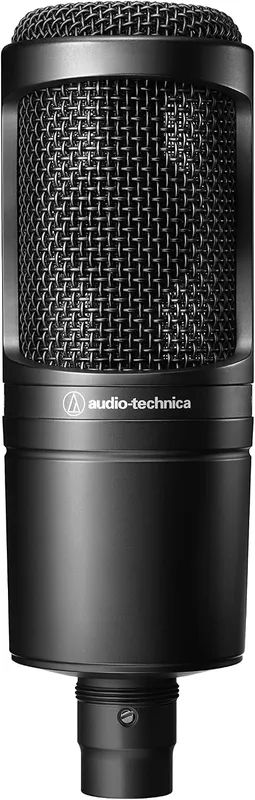
Best for: Hosts who want the proven studio side-address standard on a first XLR chain.
- Detail-rich cardioid capsule: The side-address sound that introduced a generation of voices to real recording.
- Wide 20Hz–20kHz response: Catches the full character of a voice, from chest warmth to breath air.
- High SPL handling: Comfortable with close, expressive speaking and laughing.
- Pivoting threaded stand mount: Included mount that angles the capsule to your mouth line.
- XLR connection: Plugs into any interface or preamp as your chain grows.
Pros:
- A studio reference with decades of podcasts and records behind it.
- Forgiving, natural tone that flatters most voices.
- Leaves room in the same purchase for an interface.
Cons:
- XLR only, so an interface is required.
- No onboard headphone jack for monitoring.
- Ships without a pop filter or shock mount.
Anchor Your Studio with the Audio-Technica AT2020
2. RØDE NT1 Signature Series Studio Condenser Microphone
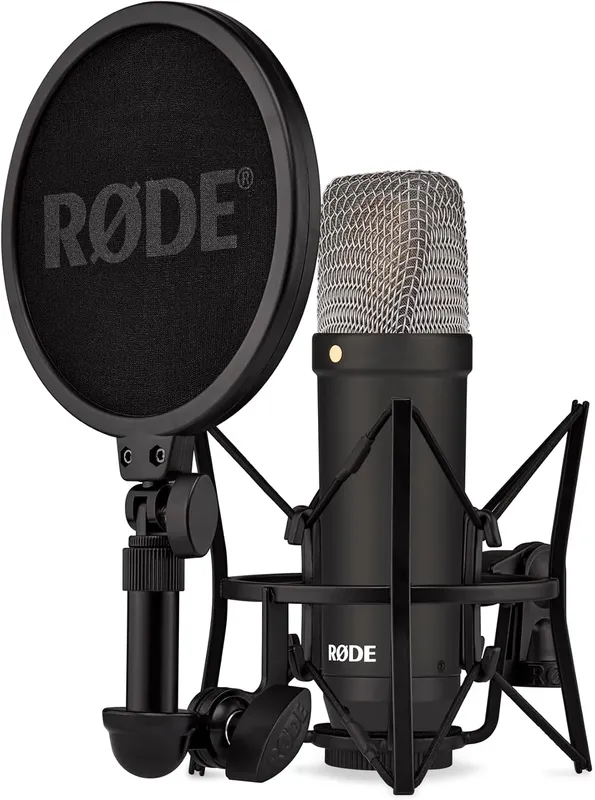
Best for: Hosts building the quietest possible recorded voice.
- Ultra-low self-noise: A capsule so quiet that pauses sound like silence, not hiss.
- Complete mounting kit: The damped SMR shock mount and a detented pop filter ship in the box.
- Warm, detailed voicing: The NT1 lineage that smooths harshness out of spoken word.
- Cardioid focus: Front-address capture that keeps the room behind the voice.
- All-metal build: A body finished to survive decades of session duty.
Pros:
- The silence between words is where this mic wins shows.
- Nothing else to buy — mount and filter included.
- A podcasting benchmark that engineers reach for by name.
Cons:
- XLR only, so it wants an interface with clean gain.
- Premium placement over the USB picks here.
- Sensitive enough to expose untreated rooms.
Hear the Silence with the RØDE NT1 Signature
3. Elgato Wave:3 MK.2 USB Condenser Microphone
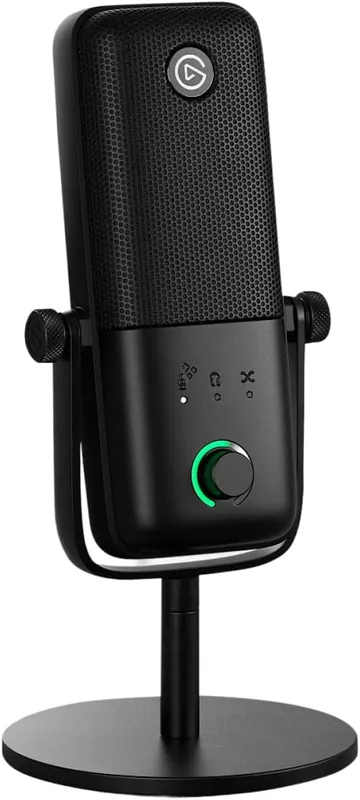
Best for: Hosts who want a finished voice straight into the computer.
- Clipguard 2.0: Reshapes laugh peaks before they ever clip the recording.
- Onboard DSP: Enhancer, compressor, and EQ process the voice inside the mic.
- Auto Gain: Holds your level steady from the first syllable to the last.
- Capacitive top mute: A silent tap ends and restores the signal with no thump.
- 24-bit/96kHz USB-C capture: Detailed, modern recording over one cable.
Pros:
- Processing arrives at the mic, so editing time shrinks.
- Wave Link adds mixing powers far beyond a microphone.
- Sleek low-profile body that suits any desk on camera.
Cons:
- Desk stand invites desk knocks without a boom arm.
- Deeper settings live in the companion app.
- Cardioid-only for a premium multi-pattern rival.
Route Your Sound with the Elgato Wave:3 MK.2
4. HyperX QuadCast USB Condenser Microphone
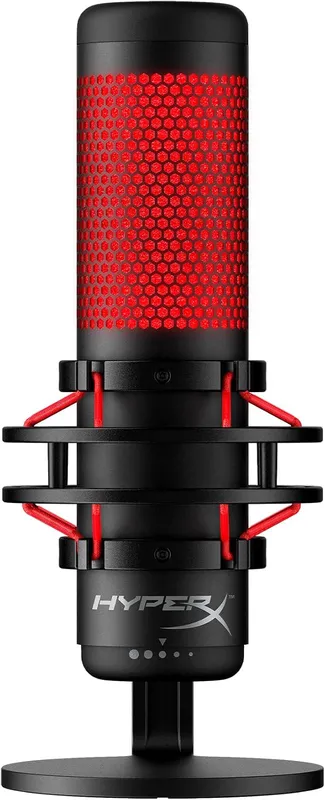
Best for: Shows that shift between solo hosting and two-person interviews.
- Four pickup patterns: Stereo, omni, cardioid, and bidirectional switch right on the body.
- Built-in shock mount: The floating ring design isolates desk bumps without extra gear.
- Tap-to-mute with LED: The indicator ring shows the live state at a glance.
- Onboard gain dial: Level adjustments without opening software mid-show.
- Headphone jack: Zero-latency monitoring on the mic’s base.
Pros:
- One microphone that genuinely covers solo and duet seating.
- Shock mount and pop filter included — a full rig out of the box.
- The anti-vibration look that made it a streaming icon.
Cons:
- Red LED divides opinion on serious sets.
- Mute tap transmits a faint click to the mount.
- Bulkier on small desks than stick USB mics.
Light Up Your Desk with the HyperX QuadCast
5. Logitech Creators Blue Yeti USB Microphone
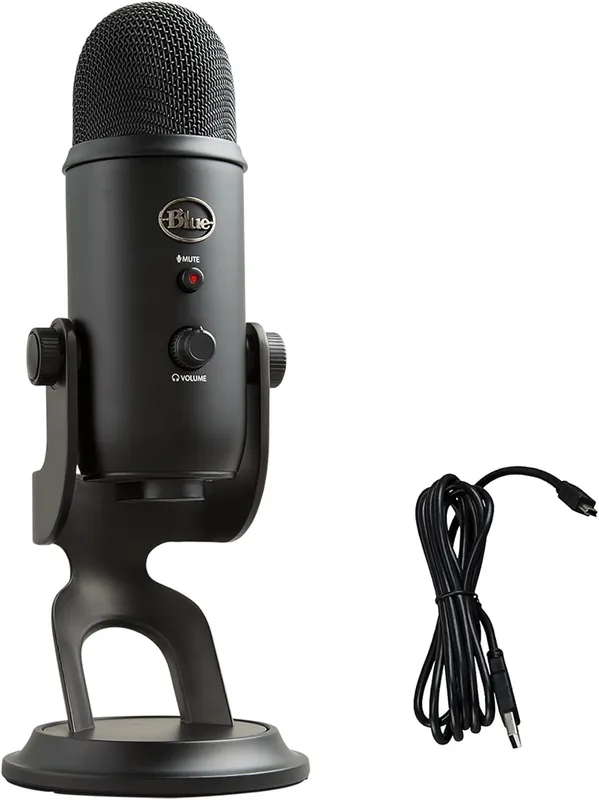
Best for: Podcasters who want the classic plug-and-record multi-pattern veteran.
- Four pickup patterns: Cardioid, stereo, omni, and bidirectional for any seating plan.
- Blue VO!CE effects: Broadcast processing built into the software chain.
- On-body gain and pattern dials: adjustments land with one finger mid-session.
- Dedicated mute and headphone amp: Silent cutoffs and lag-free monitoring on the mic.
- Plug-and-play USB: The simplest setup ritual in the category.
Pros:
- The name every guest recognizes, with a decade of refinement.
- Patterns that make one mic serve a whole show format.
- Sturdy tri-capsule build that outlives desks.
Cons:
- Large frame claims real desk space.
- Hears more room than narrow cardioids.
- Heavier than its tripod looks able to hold.
Cover Every Session with the Blue Yeti
6. Samson C01U Pro USB Studio Condenser Microphone
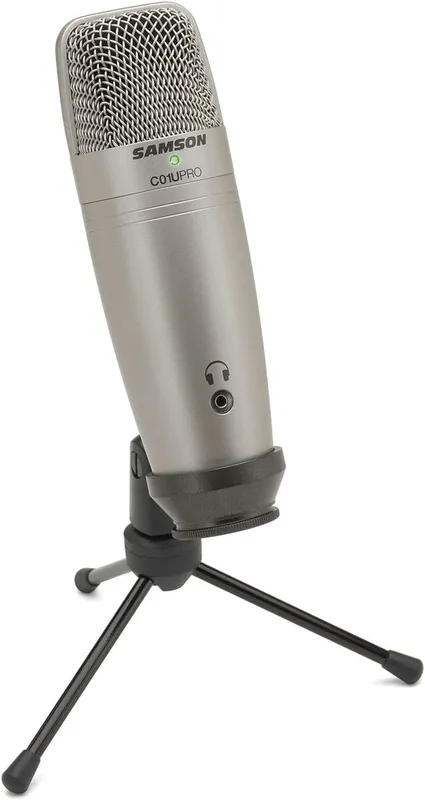
Best for: Home studios that want a large capsule without an interface anywhere in sight.
- Large studio capsule: Detail and warmth that headset mics cannot approach.
- Built-in headphone jack: Direct zero-latency monitoring on the mic body.
- USB bus power: One cable carries audio and power to any computer.
- Included tripod and swivel: Positioned and recording minutes after unboxing.
- Plug-and-play recognition: No drivers on Windows, Mac, or tablets.
Pros:
- A genuine studio capsule with no interface purchase.
- Onboard monitoring that keeps guests on pace.
- Quiet, honest tone for spoken word.
Cons:
- No pattern switching or pads.
- Fixed tripod sits low without a boom arm.
- Software bundle is starter-grade.
Skip the Interface with the Samson C01U Pro
7. LEWITT LCT 240 PRO Large-Diaphragm Condenser Microphone
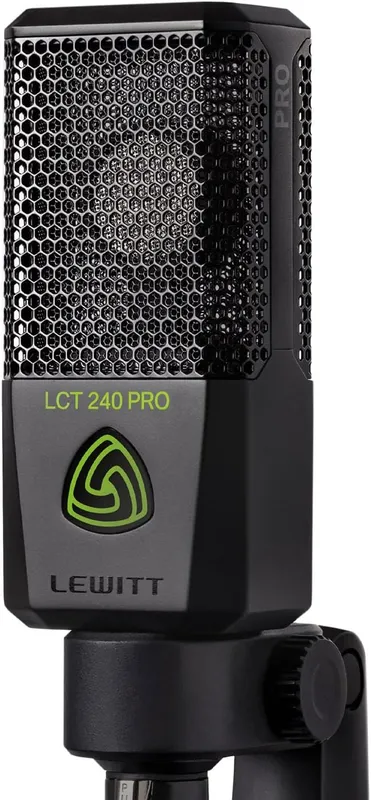
Best for: Hosts who want a modern European voice with a studio mount included.
- Large-diaphragm capsule: A modern, detailed voicing tuned for contemporary vocals and speech.
- High SPL headroom: Close, expressive delivery without strain.
- Included swivel mount: The spider-style mount shown in the box, ready for any stand.
- Rounded metal grille: A distinctive look that frames a show’s brand.
- XLR connection: Scales from first interface to full preamp chains.
Pros:
- Avoiced capsule that makes reads sound current and up-front.
- Mount included, which rivals at this level often skip.
- Austrian engineering with a loyal podcast following.
Cons:
- XLR only, with no bundled filter.
- Modern voicing slightly colors warmer voices.
- Brand recognition trails the classics.
Carry Your Vocals with the LEWITT LCT 240 PRO
8. AKG P120 Condenser Microphone
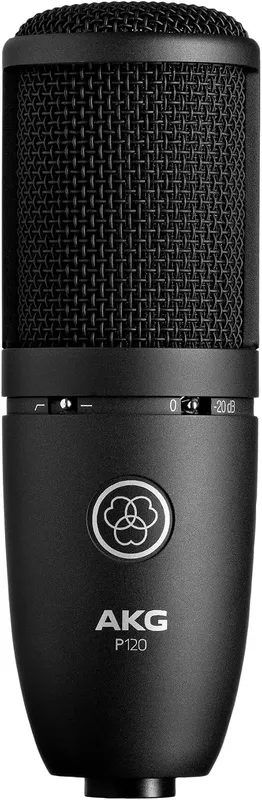
Best for: First XLR chains that want real studio controls on a light spend.
- Bass-cut filter: Tames rumble and desk noise with a flip of the ring switch.
- Twenty-decibel pad: Loud sources and close talkers handled without strain.
- Two-thirds-inch capsule: Balanced AKG voicing with a natural midrange for speech.
- All-metal body: A die-cast chassis with the feel of pricier studio tools.
- Included swivel adapter: Mounts to any standard stand out of the box.
Pros:
- Studio switches that most entry mics simply omit.
- AKG’s voicing pedigree at the entry level of the list.
- Light, compact body that suits small boom arms.
Cons:
- XLR only, with no filter or mount extras.
- Smaller capsule than the large-diaphragm picks.
- Feedback-prone in untreated reflective rooms.
Build Your Chain with the AKG P120
9. FIFINE K669B USB Condenser Microphone
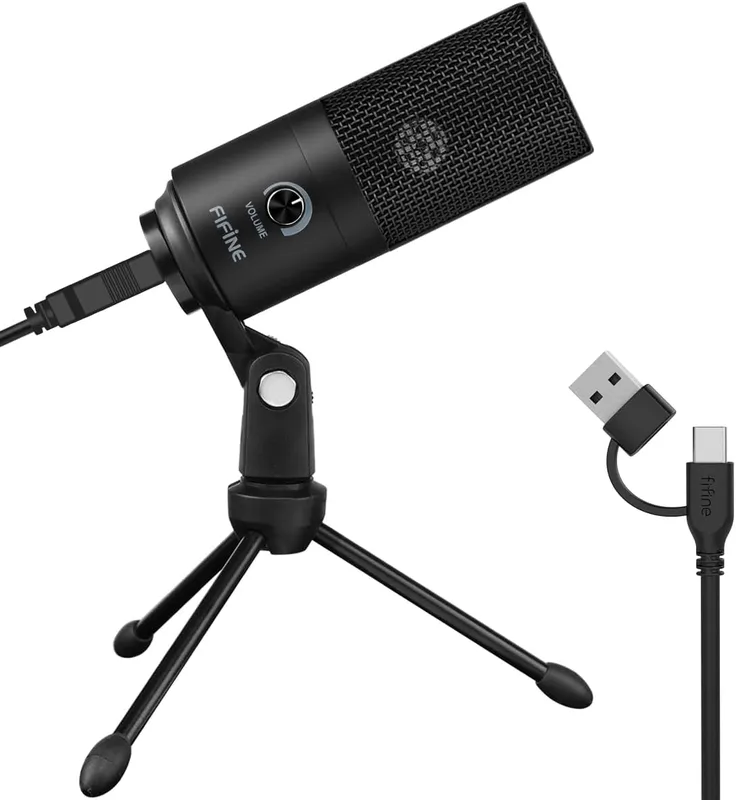
Best for: Testing whether a show has legs before a serious mic spend.
- Front volume dial: Level changes with one turn, mid-episode, no software.
- All-metal body: Built like microphones several classes up.
- Tripod plus USB and USB-C cables: Connects to new and old computers out of the box.
- Cardioid condenser capture: Real vocal detail for close-up desk recording.
- Plug and play: No drivers between unboxing and the first episode.
Pros:
- The lowest entry ticket on the list for a true condenser.
- Compact kit that travels between home and office desks.
- Simple enough for total beginners to run alone.
Cons:
- No headphone jack for direct monitoring.
- Cardioid pickup exposes untreated rooms.
- USB only, with no XLR path forward.
Fund Your First Booth with the FIFINE K669B
Frequently Asked Questions
Q1: Which of the best condenser microphones for podcasting works in an untreated room?
A: Treat the room first — curtains, a rug, a closet-nook — because every condenser here hears honestly. Among the picks, the Elgato Wave:3 MK.2 fights back hardest with Clipguard and onboard DSP, and the Blue Yeti’s pattern switching lets you dial down room pickup. If the space cannot be softened, a dynamic mic is the honest alternative.
Q2: USB or XLR — which should a new host choose?
A: USB if you record solo into one computer and want zero extra gear: the Wave:3 MK.2, QuadCast, Yeti, C01U Pro, and K669B are complete chains with monitoring built in. XLR if an interface is already in your future: the NT1 Signature, AT2020, LCT 240 PRO, and P120 plug into today’s gear and every upgrade after it without being replaced.
Q3: Do I really need a pop filter and shock mount for talking?
A: For spoken word, yes — close talking sends plosives straight into the capsule, and desk knocks travel up every boom. The NT1 Signature includes both, the QuadCast carries its shock mount on board, and the LCT 240 PRO and P120 include mounts; the rest take standard filters and cradles without fuss.
Q4: Can guests on video calls hear the difference?
A: Call apps compress audio heavily, but the host hears the raw recording — so capture locally with any of these mics and send the clean file to editing. The USB picks shine here: they appear as standard devices in every conferencing app, and the built-in headphone jacks keep you lip-synced to the conversation while the good take lands on disk.
Q5: How close should my mouth be to the microphone?
A: A hand’s width — about four to six inches — puts your voice in front of the room and keeps plosives manageable. Angle slightly off-axis so breaths slip past the capsule, set gain at your real speaking volume, and let the pop filter catch the rest. Consistent distance is what makes edits between episodes sound like one continuous show.
Final Verdict
Nine condensers, nine doors into a clearer feed: the NT1 Signature records the silence between words, the AT2020 anchors the classic chain, the Wave:3 MK.2 and QuadCast process and flex over plain USB, the Yeti bends to any seating plan, the C01U Pro skips the interface entirely, the LCT 240 PRO voices a modern show, and the P120 and K669B prove a real studio mic costs less than a month of coffee runs. If you want the best condenser microphones for podcasting to capture clear, natural voices, don’t overthink it—these are already:
✔ Tested for clarity, room rejection, and plosive behavior on real spoken-word sessions.
✔ Reviewed for the details hosts feel first: setup speed, monitoring lag, and what actually ships in the box.
✔ Proven by podcasters, streamers, and studios who publish episodes on a weekly schedule.
Best Overall Pick – RØDE NT1 Signature
Best Budget – AKG P120
Best Premium – HyperX QuadCast
Best for Built-In Processing – Elgato Wave:3 MK.2