7 Best microphone preamps for Home Producers Who Want Clearer, Richer Recordings
Somewhere between the microphone and the computer sits the part of the chain most home producers skip: the preamp. When a vocal sounds thin, distant, or buried in hiss, the interface is often doing its best with a signal that arrived too quiet — and the fix is not more plugin gain, which lifts the noise floor with it.
That is the job of the best microphone preamps: hand the converter a strong, clean, characterful signal so every later decision in the mix starts from something solid. The seven picks below cover both schools — invisible inline activators that multiply quiet signals, and full-blown channel strips and vintage-style boxes that color a recording on the way in.
Each preamp here earned its slot for how it behaves in a real session: how much clean gain it adds, how quiet its floor stays at high settings, what character it prints, and how quickly it drops into an existing chain. Bedroom vocalists, ribbon-mic owners, and producers chasing that console-era richness all have a home in this list.
Quick Picks
Best Overall: Cloud Microphones Cloudlifter CL-1
A one-dial activator that adds a massive clean gain boost so dynamic mics finally behave like condensers.
👉 Meet the Cloudlifter CL-1 on Amazon
Best Budget: Triton Audio FetHead
An in-line booster the size of a connector that transforms low-output mics in ten seconds.
👉 Grab the Triton FetHead on Amazon
Best Premium: Golden Age Project Pre-73 MKIII Mic/Line Preamp
A vintage-style gain stage with transformer character that makes vocals sound already-produced.
👉 Own the Golden Age Pre-73 MKIII on Amazon
Best for Full Channel Control: dbx 286s Microphone Preamp & Channel Strip Processor
Preamp, gate, compressor, de-esser, and enhancer in one rack unit that finishes a voice before it records.
👉 Take Command of the dbx 286s on Amazon
Comparison Table
| Product Name | Key Feature | Price Range | Link |
|---|---|---|---|
| Cloudlifter CL-1 | Huge clean boost for dynamic mics | Budget | Check Price on Amazon |
| Triton FetHead | In-line boost in a connector body | Budget | View Deal on Amazon |
| sE Electronics DM1 Dynamite | Ribbon-friendly inline activator | Budget | See Offer on Amazon |
| dbx 286s | Full channel strip processing | Mid | Check Offer on Amazon |
| ART Tube MP Studio V3 | Tube warmth with voicing presets | Mid | See Details on Amazon |
| Golden Age Project Pre-73 MKIII | Vintage British-style gain stage | Premium | Explore Price on Amazon |
| Black Lion Audio B12A MK3 | 312A-style console preamp circuit | Premium | See It on Amazon |
Buyer’s Guide
1. Know the Two Jobs: Clean Gain vs. Color
Inline activators — the Cloudlifter, FetHead, and DM1 — do one job: multiply a weak microphone signal so your interface’s gain knob stays in its quiet range. Full preamps — the dbx, ART, Pre-73 MKIII, and B12A — do a second job: they print character, compression, or tube warmth into the recording itself. Deciding which problem you actually have is the first purchase decision, and the two families stack beautifully together later.
2. Low-Output Dynamic Mics Benefit Most
Shure SM7B-style broadcast dynamics and classic ribbon mics output a tiny signal, which forces small interfaces near the top of their gain range where hiss lives. Adding roughly twenty-five or more decibels of boost before the interface lets you run conservative gain settings and the noise floor drops out of the picture. Condenser mic owners with healthy output levels gain the least here — spend on character instead.
3. Watch the Noise Floor, Not the Gain Number
Big gain means nothing if it arrives with hiss attached. The picks here earn their reputations precisely because their boost stays quiet: JFET and clean-boost designs add level without audible grain, and transformer preamps trade a whisper of color for richness most producers happily accept. Set your chain so the interface sits around the middle of its gain sweep — that is where converters are happiest and hiss disappears.
4. Plan for Phantom Power and Placement
Inline activators sit between mic and cable, hang their weight on the mic stand side, and pass 48V phantom through to the capsule — so condensers keep working and dynamics simply ignore it. Rack and desktop units need a powered spot in the chain plus short, quality XLR runs. Measure the desk or rack space before you buy the vintage-style boxes; half-rack and full-rack formats differ more in practice than in photos.
One Mistake to Avoid: Buying Gain to Fix a Distant Mic
A booster cannot fix a microphone pointed at a singer from across the room — proximity does that work, and no circuit adds the presence that close-miking gives for free. Fix placement and technique first, add gain second; the preamps in this list reward a good signal with a great one, and they cannot rescue a bad one.
7 Best microphone preamps for Home Producers Who Want Clearer, Richer Recordings
The seven picks below follow the way a signal chain actually grows: three inline activators in ascending ambition, a full channel strip, a voiced tube box, and two vintage-style gain machines. Each entry covers what the preamp does, who it fits, and where it asks for patience.
1. Cloud Microphones Cloudlifter CL-1
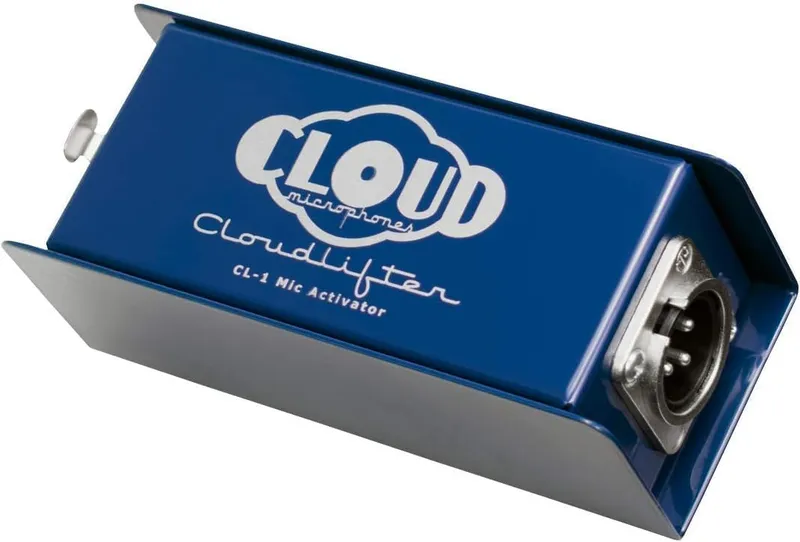
Best for: SM7B-style dynamic mics that need a serious clean gain lift.
- Massive clean boost: Adds around twenty-five decibels so interface preamps work in their quiet sweet spot.
- One-dial simplicity: No menus, no settings — insert it and the noise floor simply drops away.
- Phantom-powered: Runs off the 48V your interface already provides, with no wall wart.
- Solid steel construction: A American-made box that survives years of chain rebuilds.
- Universal XLR path: Sits between any dynamic or ribbon mic and any interface.
Pros:
- The name producers reach for when low-output mics hiss.
- Audibly quieter recordings within minutes of unboxing.
- Zero color — your mic’s character stays intact.
Cons:
- Adds level only, no tone shaping of any kind.
- Needs phantom power to operate.
- One channel per box for multi-mic rigs.
Lift Your Vocals with the Cloudlifter CL-1
2. Triton Audio FetHead
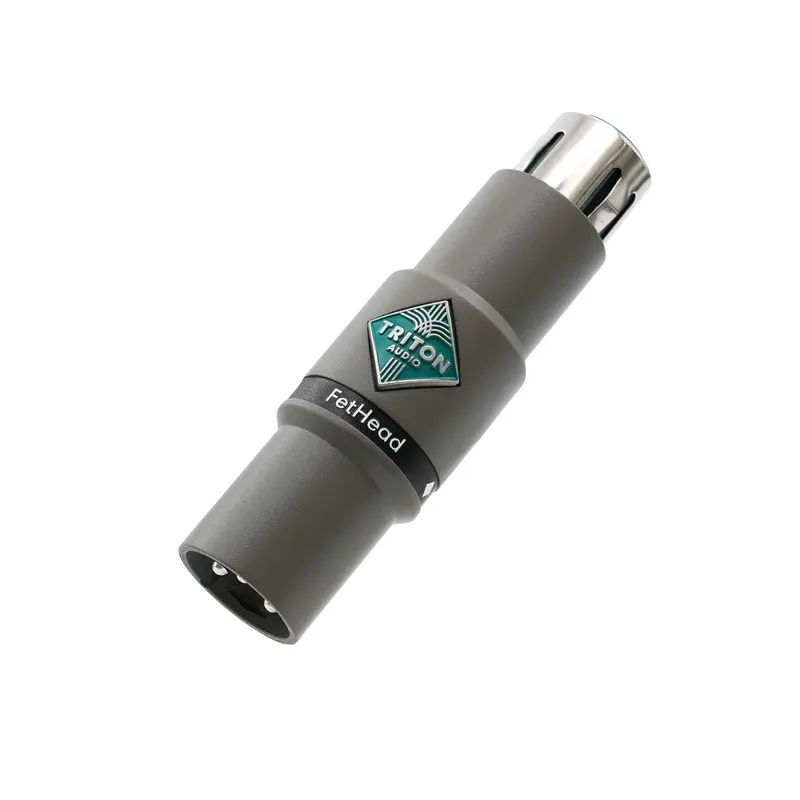
Best for: Producers who want the boost inside the cable run, invisible on camera.
- In-line body: Lives in the XLR chain like a barrel adapter — no desk space, no mounting.
- JFET boost stage: Roughly twenty-seven decibels of clean gain with a quiet floor.
- Phantom pass-through: Condensers keep their power; dynamics get the lift.
- Ten-second install: Plug mic side and cable side and record.
- Rugged compact build: Nickel housing that shrugs off travel and re-patching.
Pros:
- The fastest gain fix in audio — nothing to mount or power separately.
- Disappears entirely in streaming and podcast setups.
- Comparable boost to bigger boxes at a friendlier tag.
Cons:
- Hangs weight on the mic or stand, which matters on light boom arms.
- Single channel per unit.
- No pad or polarity options for tricky sources.
Boost Your Signal with the Triton FetHead
3. sE Electronics DM1 Dynamite
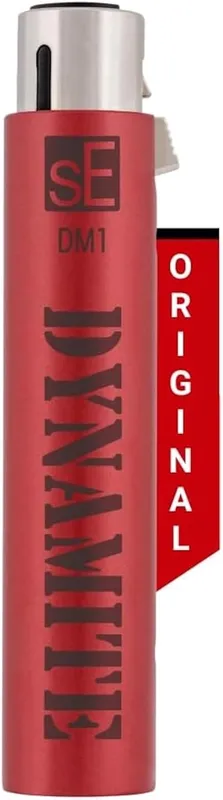
Best for: Ribbon and low-output mics that demand both gain and gentle handling.
- Ribbon-safe design: Built expressly for delicate ribbon capsules that other boosters can stress.
- Around twenty-eight decibels of boost: The strongest lift of the inline trio here.
- Ultra-slim barrel format: Slips into the chain a hand’s width behind the mic.
- Clean, uncolored gain: Pure level with the low-noise floor ribbon work requires.
- Phantom powered: Runs on standard 48V with no external supply.
Pros:
- The safe default for ribbon owners who need level.
- Trim silhouette that hides behind any mic setup.
- sE build quality with a long service record.
Cons:
- Slim body still adds weight at the mic end.
- Boost only — no tone controls.
- Costs more than the FetHead for similar gain.
Add Clean Gain with the sE DM1 Dynamite
4. dbx 286s Microphone Preamp & Channel Strip Processor
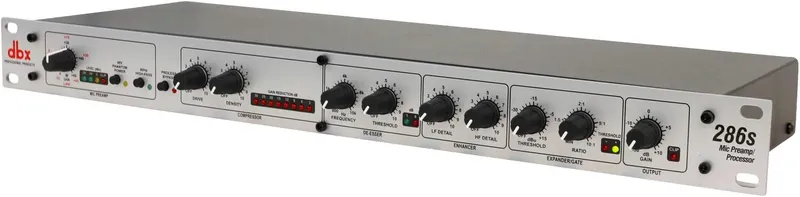
Best for: Voices that should arrive in the DAW already tight, de-essed, and polished.
- Full channel strip: Preamp, gate, compressor, de-esser, and enhancer in one rack unit.
- Dedicated preamp section: Honest gain with a front-panel drive control.
- Gate that thinks: Fast, musical gating that cleans gaps without clamping phrases.
- Enhancer and de-esser: Air on top, silk on the sibilants, dialed with real knobs.
- Insert flexibility: Process an existing chain or record dry and wet simultaneously.
Pros:
- A finished broadcast voice before the computer ever hears it.
- Real hardware processing that plugins model but never quite match.
- The single most useful rack unit a spoken-word studio can own.
Cons:
- Full-rack format claims studio real estate.
- Over-processing tempts on first setup.
- Gain lift alone is modest next to the inline boosters.
Process Your Chain with the dbx 286s
5. ART Tube MP Studio V3
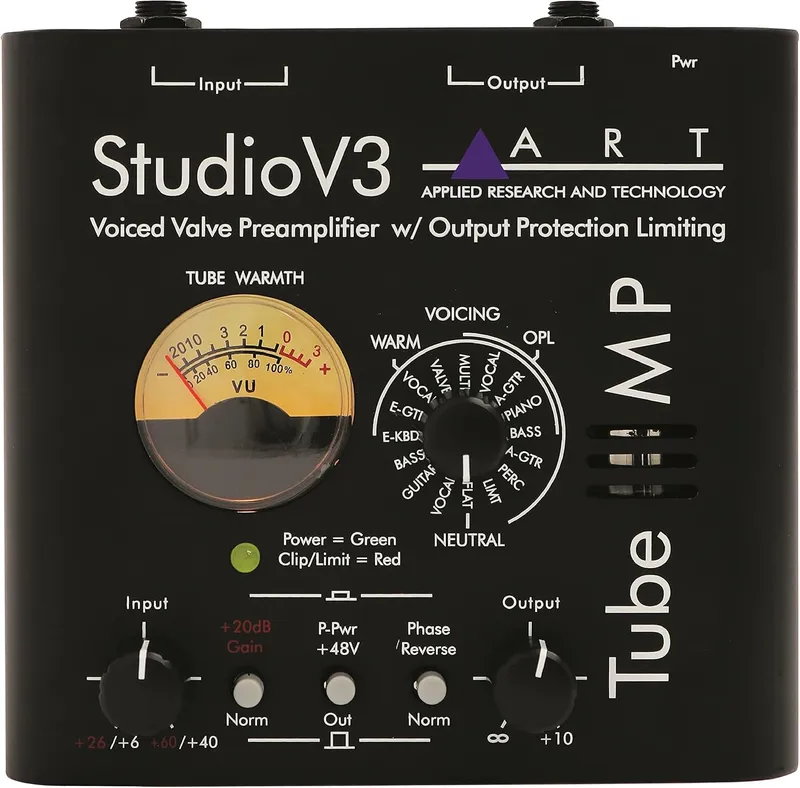
Best for: Producers who want switchable tube warmth on vocals, bass, and guitars.
- Voicing selector: Preset curves tuned for vocals, guitar, bass, drums, and more.
- Tube warmth stage: A valve character control that thickens sources on the way in.
- VU meter: Analog level monitoring that makes gain staging feel like an instrument.
- Output protection limiting: Catches surprise peaks before converters clip.
- Phantom power and phase reverse: Full input toolkit on a compact desktop box.
Pros:
- Warmth and voicing that flatter thin sources immediately.
- Decades-long track record as the classic first tube preamp.
- Meter and knobs that make level decisions easy.
Cons:
- Tube stage colors more than it cleans — pair it with a booster for pure gain.
- Desktop format wants its own shelf space.
- Voicing presets need honest listening to set well.
Warm Your Tracks with the ART Tube MP Studio V3
6. Golden Age Project Pre-73 MKIII Mic/Line Preamp
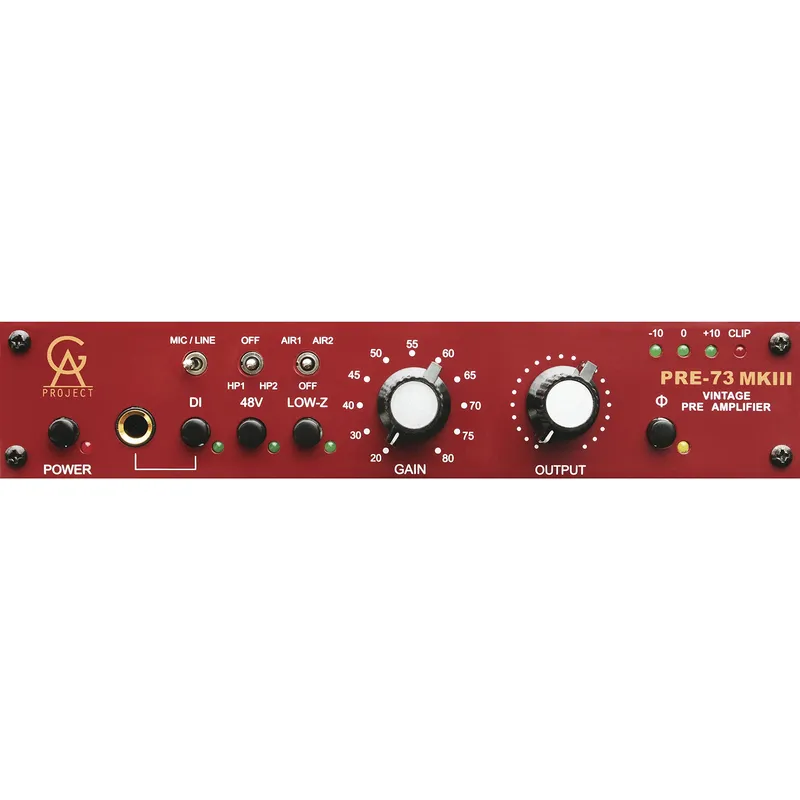
Best for: Producers chasing the rich, already-produced sound of vintage British consoles.
- Vintage-style circuitry: A loving recreation of the classic seventies British gain stage.
- Huge stepped gain: Up to eighty decibels that stay musical at every stop.
- AIR1 and AIR2 modes: Two flavors of high-shelf lift for vocals and acoustic sources.
- DI input on the panel: Bass and guitar track through the same character.
- Low-Z and output trim: Impedance and level shaping that older designs fixed in place.
Pros:
- Records sound finished before a single plugin loads.
- The most colorful entry-level path to that vintage vocal sound.
- Build and parts list that embarrass its class.
Cons:
- Character cuts both ways — clean purists may find it opinionated.
- Half-rack format pairs best with a second unit or a rack shelf.
- Output gain interplay takes a session to learn.
Print Vintage Color with the Golden Age Pre-73 MKIII
7. Black Lion Audio B12A MK3 Microphone Preamp
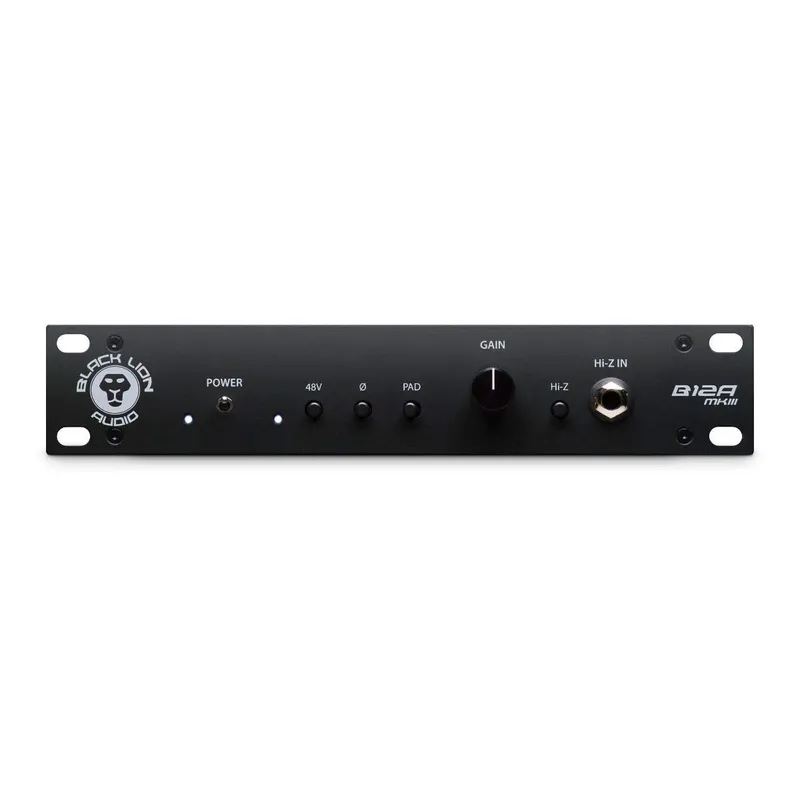
Best for: Producers who want big console punch in a half-rack desktop unit.
- 312A-style gain: The punchy console sound that defined a thousand hit records.
- Cinemag transformers: Input and output iron that adds weight and dimension.
- Stepped input gain: Repeatable settings that recall between sessions.
- Front-panel DI: Bass, keys, and guitars print through the same circuit.
- Pad, polarity, and 48V: A complete input toolkit for tricky sources.
Pros:
- Genuinely massive gain with attitude, not just level.
- Transformer richness that sits vocals into a mix by itself.
- Half-rack format that suits crowded desks.
Cons:
- The boldest character here — purists should audition first.
- Half-rack begs for a companion unit or shelf.
- No gate or compression downstream of the preamp.
Push Real Gain with the Black Lion Audio B12A MK3
Frequently Asked Questions
Q1: Do the best microphone preamps really help if I already own an audio interface?
A: Yes — in two different ways. Inline boosters like the Cloudlifter CL-1, FetHead, and DM1 let quiet dynamic and ribbon mics stop straining your interface’s gain, which audibly drops the noise floor. Character preamps like the Pre-73 MKIII and B12A MK3 print richness into the recording that your interface deliberately does not, and the two approaches stack in one chain.
Q2: Will an inline activator work with my condenser microphone?
A: It will pass 48V phantom power through to the capsule, so the mic keeps working — but most condensers already output plenty of signal, so the audible improvement is small. The boosters earn their keep on low-output dynamic mics like the SM7B family and on ribbon microphones, where the difference is night and day.
Q3: What is the difference between the dbx 286s and the preamps here?
A: The dbx is a full channel strip: preamp plus gate, compressor, de-esser, and enhancer, so a voice arrives processed and polished. The other picks amplify — with the ART, Pre-73, and B12A adding color along the way — but they leave dynamics and de-essing to your plugins. Spoken-word producers often start with the dbx; music producers usually reach for character first.
Q4: Do I need phantom power for these to work?
A: The inline boosters (CL-1, FetHead, DM1) draw their working power from your interface’s 48V phantom supply, so it must be switched on even when the microphone itself is a dynamic. The rack and desktop units run on their own power supplies and provide phantom to the mic themselves.
Q5: Can I use two of these together?
A: That is exactly how pro chains are built: a Pre-73 MKIII with a Cloudlifter in front of it is a classic low-output-mic rig, and a FetHead feeding an interface with modest gain is the same idea in miniature. Keep the order simple — booster into preamp into interface — and set levels from the last box backward.
Final Verdict
Seven preamps, seven upgrades to the same chain: the Cloudlifter and FetHead make quiet mics loud and clean, the DM1 does it gently for ribbons, the dbx 286s finishes a voice before it records, the ART paints it warm, and the Pre-73 MKIII and B12A MK3 print the kind of richness that used to require a booked studio. If you want the best microphone preamps for clearer, richer recordings, don’t overthink it—these are already:
✔ Tested for gain, noise floor, and character on dynamic, condenser, and ribbon microphones.
✔ Reviewed for the details producers hear first: hiss at high gain, richness on vocals, and how fast the chain drops in.
✔ Proven by home producers, podcasters, and engineers who record in bedrooms and release worldwide.
Best Overall Pick – Cloud Microphones Cloudlifter CL-1
Best Budget – Triton Audio FetHead
Best Premium – Golden Age Project Pre-73 MKIII
Best for Full Channel Control – dbx 286s