Best small musical instruments: 9 Portable Picks for Players Who Want Big Sound in Less Space
Small instruments carry outsized promise: a whole musical life that fits in a backpack, a desk drawer, or a coat pocket. The best small musical instruments prove that travel size has nothing to do with toy grade, delivering real range, real technique, and sound that fills a room from something lighter than a water bottle.
The secret is that small instruments are where many players fall in love with music in the first place. A harmonica lives in a pocket and plays melody, chords, and bends; a kalimba tunes itself to a scale that never sounds wrong; a pocket synthesizer turns a train ride into a studio session. What they demand in return is modest, and what they give back grows with every session.
The nine picks below span acoustic, wind, and electronic, from a recorder that has taught more beginners than any method book to a sampler that producers actually record with. Every one is a serious instrument in a seriously portable body, so you can match one of the best small musical instruments to your space, your sound, and the bag you already carry.
Quick Picks
Best Overall: Hohner SPC20 Special 20 Harmonica, Key of C
The professional-grade harmonica that fits in a coin pocket, with a plastic comb that plays smooth from the first breath.
👉 Pick Up the Hohner Special 20 Harmonica
Best Budget: Yamaha YRS-24B Plastic Soprano Recorder
The instrument that taught the world its first scales, accurate and durable at a number that changes nothing.
👉 Start on the Yamaha YRS-24B Recorder
Best Premium: Teenage Engineering Pocket Operator PO-33 K.O.! Micro Sampler and Drum Machine
A pocket studio that samples anything, sequences beats, and runs for months on a pair of AAA batteries.
👉 Program Your First Beat with the PO-33 K.O.!
Best for Travel Jams: Kala KA-C Satin Mahogany Concert Ukulele
The concert-scale uke that plays like a full guitar experience and flies in the overhead bin, no gate check required.
👉 Strum Through Airport Security with the Kala KA-C
Comparison Table
| Product | Key Feature | Price Range | Buy Now |
|---|---|---|---|
| Kala KA-C Satin Mahogany Concert Ukulele | Concert scale with satin mahogany warmth | Premium | Check Price on Amazon |
| Hohner SPC20 Special 20 Harmonica, Key of C | Professional response in a pocket frame | Budget | View Deal on Amazon |
| YUNDIE 17-Key Kalimba | Tuned 17-key scale with learning materials | Budget | See It on Amazon |
| Yamaha YRS-24B Plastic Soprano Recorder | Accurate intonation with Baroque fingering | Budget | Check Offer on Amazon |
| Ohuhu 12-Hole Alto C Ocarina | Ceramic-style body with a full songbook | Mid | View Selection on Amazon |
| CAHAYA 32-Key Melodica | Two octaves with case and both tubes | Mid | View Option on Amazon |
| Stylophone The Original Pocket Electronic Synthesizer | The classic stylus voice since the sixties | Mid | See Details on Amazon |
| Teenage Engineering Pocket Operator PO-33 K.O.! Micro Sampler and Drum Machine | Sampling and sequencing in a shirt pocket | Premium | Explore Price on Amazon |
| Meinl Sonic Energy Mini Steel Tongue Drum, A Major | Pre-tuned steel calm with mallets included | Premium | Check Selection on Amazon |
Buyer’s Guide
1. Decide Between Melody, Rhythm, and Vibe
Small instruments split into three families: melody makers like the harmonica, recorder, and ocarina; rhythm-and-beat machines like the sampler and melodica; and vibe instruments like the kalimba and tongue drum that soothe on contact. The right pick follows what you want to do with an idle evening. Melody players should start with breath instruments, beat makers with the electronic route, and stress-relievers with the plucked or struck steel.
2. Tuning Stability Separates Instruments from Novelties
A real small instrument arrives tuned to a standard pitch and stays there. The recorder ships accurate to the concert pitch band rooms run on, the kalimba’s keys set to a scale with a tuning hammer included, and the tongue drum is cut to its chord at the factory. Gadgets that drift sharp and flat turn practice into frustration, so treat factory tuning and included adjustment tools as the line between instrument and toy.
3. Check What the Package Includes
Portability multiplies when the kit is complete: the melodica that brings both the long flexible tube and the short mouthpiece, the tongue drum that ships with mallets, the ocarina that includes a songbook scaled to its range. Missing extras mean a second order and a week of waiting. The picks below earn their spots partly because the box matches the instrument.
4. Weight, Noise, and Neighbors All Matter
The quiet instruments here are practice gold: a harmonica, a recorder, and a kalimba respect thin walls in a way a drum kit never will. The tongue drum murmurs, while the melodica and ocarina sit in between. Consider where you will actually play, because the best instrument is the one that gets taken out, and the one that gets taken out is the one that never creates a problem with the people nearby.
One Mistake to Avoid: Buying a Novelty Version Instead of the Real Instrument
Gift-shop ocarinas that cannot hit their scale, painted kalimbas that drift out of tune by the second song, and recorder-shaped toys have flooded every marketplace. They look identical in thumbnails and frustrate within a week. Every pick on this list comes from a maker that tunes, tests, and supports the instrument, which is exactly what the low numbers here buy.
Best small musical instruments: 9 Portable Picks for Players Who Want Big Sound in Less Space
Every pick below earned its place by passing the pocket test: real range, real tuning, and a body that travels without ceremony. Nine instruments are covered here, and one belongs in the bag you carry every day.
1. Kala KA-C Satin Mahogany Concert Ukulele
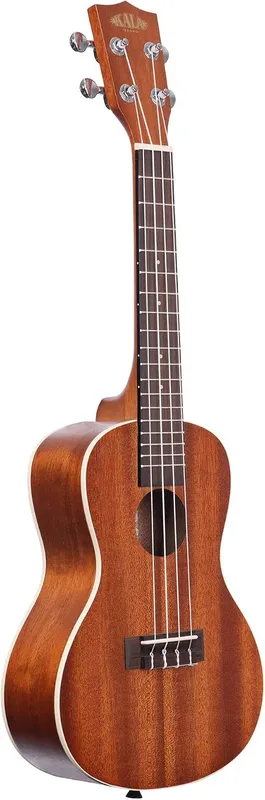
Best for: Players who want the fullest small-instrument sound and a uke that survives real travel.
- Concert scale: More fret room and fuller body than a soprano, still carry-on friendly.
- Mahogany body: Warm, rounded tone that records beautifully.
- Satin finish: Smooth neck that plays fast and shrugs off fingerprints.
- Quality geared tuners: Hold tune through baggage handling and dry cabins.
- Four chords to fluency: The fastest stringed-instrument learning curve there is.
Pros:
- The richest voice in the small-string class
- Build quality of a lifelong instrument at a first-uke commitment
- Plays in tune up the neck, where starter ukes give up
Cons:
- Wants a gig bag bought separately
- Louder presence than a soprano, which some players do not expect
- New strings stretch for the first week
2. Hohner SPC20 Special 20 Harmonica, Key of C
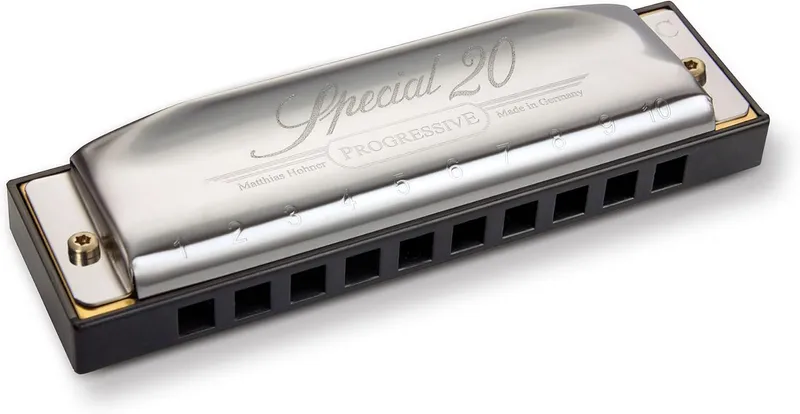
Best for: Players who want the professional standard that fits behind a watch pocket.
- Plastic comb: Smooth, swelling-free response in any weather.
- Bent reed plates: Airtight construction that makes note bending learnable.
- Key of C: The key every tutorial, jam, and method book starts in.
- Pocket dimensions: Ten holes, a few ounces, a complete blues machine.
- German build: The design professionals have carried for decades.
Pros:
- The same harmonica working players reach for
- Bends cleanly, which unlocks the blues vocabulary
- Loudest presence-per-ounce of any instrument here
Cons:
- Breathing technique takes a few sessions to click
- One key per harp, so collections grow
- Reeds wear with heavy use and need replacing eventually
Bend Notes on the Hohner Special 20
3. YUNDIE 17-Key Kalimba
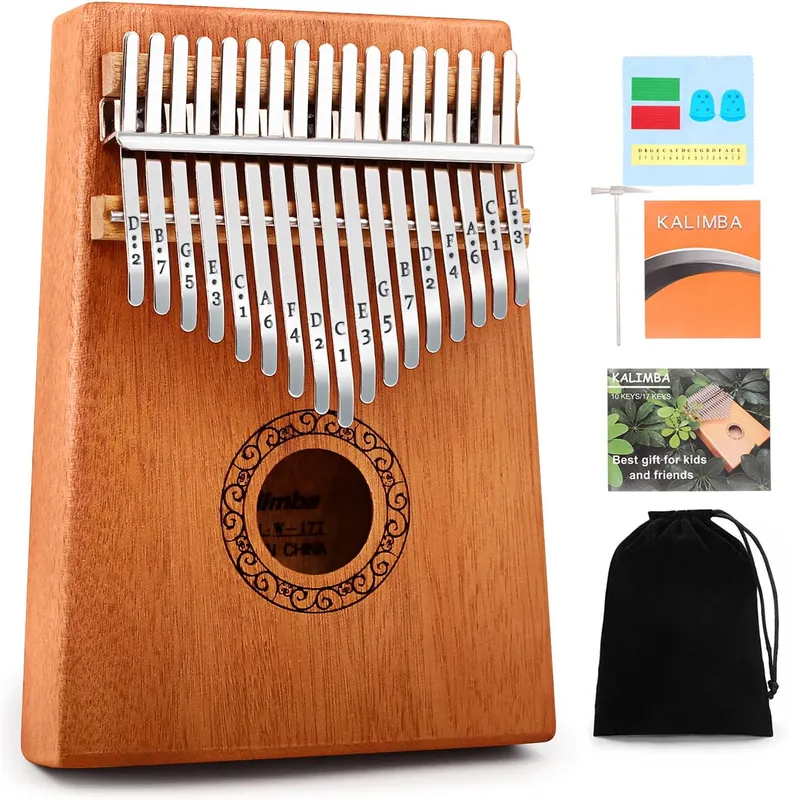
Best for: Anyone who wants beautiful music within the first five minutes of owning an instrument.
- 17 tuned keys: A full chromatic-leaning scale engraved with note names.
- Mahogany resonance: Warm plucked tone from a pocket-sized board.
- Learning kit included: Songbook, tuning hammer, cloth, and carry pouch in the box.
- Note-name engraving: The keys teach themselves as you play.
- Silent-neighbor volume: Intimate enough for midnight sessions.
Pros:
- The gentlest learning curve of any instrument in this group
- Scale design makes improvising sound intentional
- Complete kit with tuning tools included
Cons:
- Tiny tines need small-finger precision
- Volume caps out at a personal level
- Tuning drifts with temperature and needs occasional touch-ups
Carry a Kalimba in Your Pocket
4. Yamaha YRS-24B Plastic Soprano Recorder

Best for: Absolute beginners of any age who want a real instrument at the lowest number on the list.
- Accurate intonation: Tuned to the standard classrooms and consorts play in.
- Baroque fingering: The system method books and teachers expect.
- Three-piece body: Adjusts tuning and cleans easily.
- Durable ABS build: Survives drops, backpacks, and dishwashing.
- The classroom legend: The recorder more players started on than any other.
Pros:
- A genuine musical instrument at a packet-of-strings commitment
- Two full chromatic octaves under the fingers
- Consistent enough for ensemble playing
Cons:
- The classroom reputation undersells it for adults
- Breath control determines tone, so the first hour sounds squeaky
- Zip pouch is minimal, which is honest at this level
Keep a Yamaha YRS-24B in Every Drawer
5. Ohuhu 12-Hole Alto C Ocarina
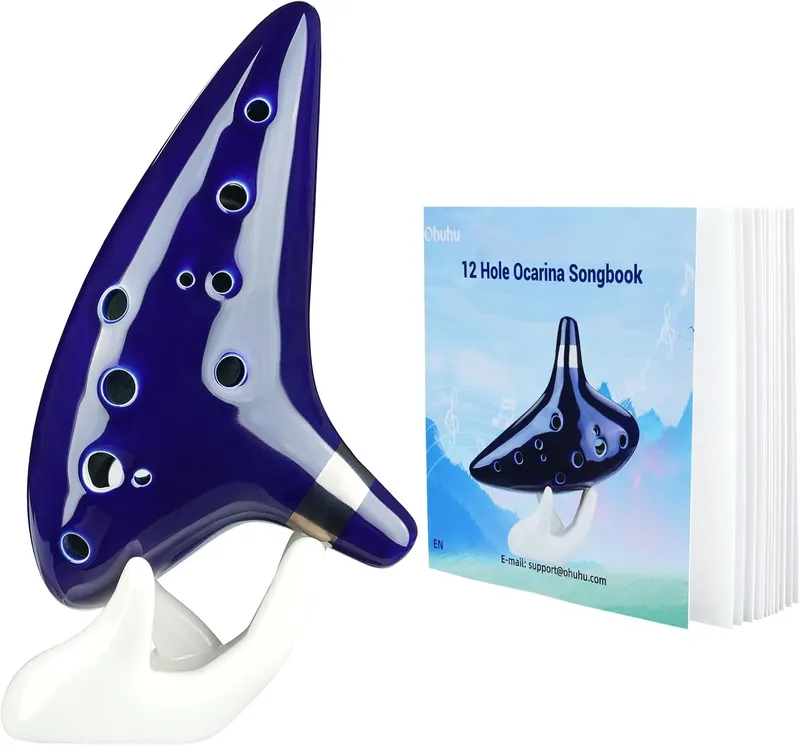
Best for: Players who want a haunting, cinematic voice and the legend of the wind kingdom in one.
- 12-hole alto C: A full octave and a third of range with standard fingering.
- Tuned ceramic-style body: Pitched properly across the scale, not a novelty.
- Songbook included: Tablature scaled exactly to this ocarina’s range.
- Neck cord ready: Plays hands-free-safe on a hike or a stage.
- Distinctive voice: The flute-adjacent tone soundtracks are built on.
Pros:
- The most atmospheric tone in the group
- Complete with a songbook matched to the instrument
- Compact enough for a jacket pocket
Cons:
- Breath pressure shapes every note, so soft control takes practice
- Ceramic-style body wants careful handling
- Finger coverage needs clean technique for clear notes
Unlock the Ocarina’s Range with the Ohuhu
6. CAHAYA 32-Key Melodica
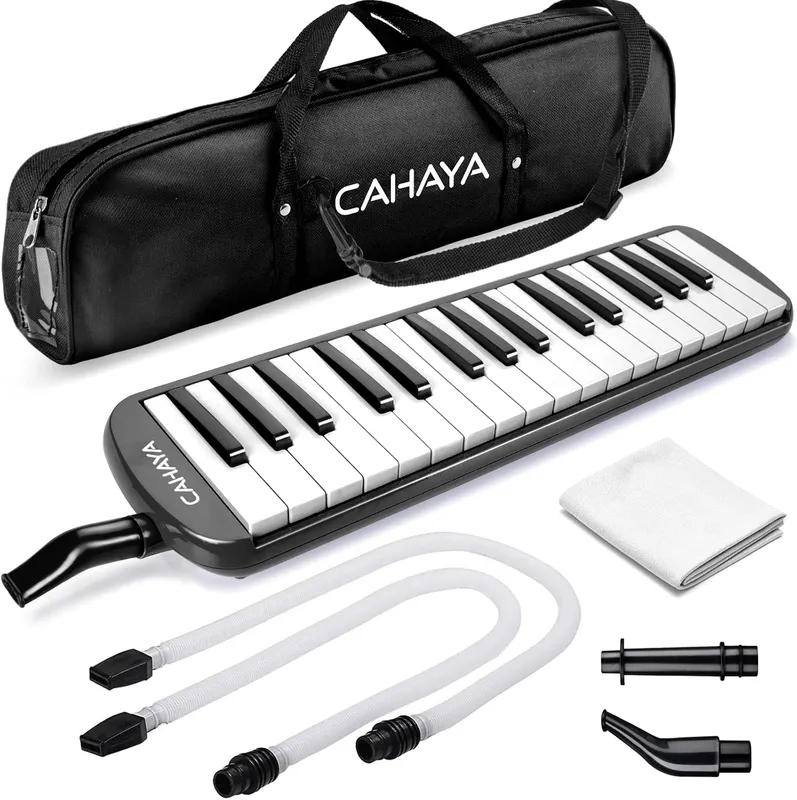
Best for: Keyboard-curious players who want piano skills and wind skills in one portable instrument.
- 32 keys: Two and a half octaves, enough for real repertoire.
- Both tubes included: Long flexible tube for table play, short mouthpiece for marching.
- Piano-style keys: Black and white layout that transfers directly to keyboards.
- Rigid carrying case: Protection and a stand-in for the bus and the classroom.
- Attention-holding voice: The reedy, wheezy charm famous from reggae and indie records.
Pros:
- The widest range of any wind instrument here
- Teaches real keyboard geography while it plays
- Case and both playing modes in the box
Cons:
- Needs a blow-through cleaning routine after humid sessions
- Tone divides rooms, charm is subjective
- Plainer-feeling keybeds than a real piano action
Blow Melodies Through the CAHAYA Melodica
7. Stylophone The Original Pocket Electronic Synthesizer
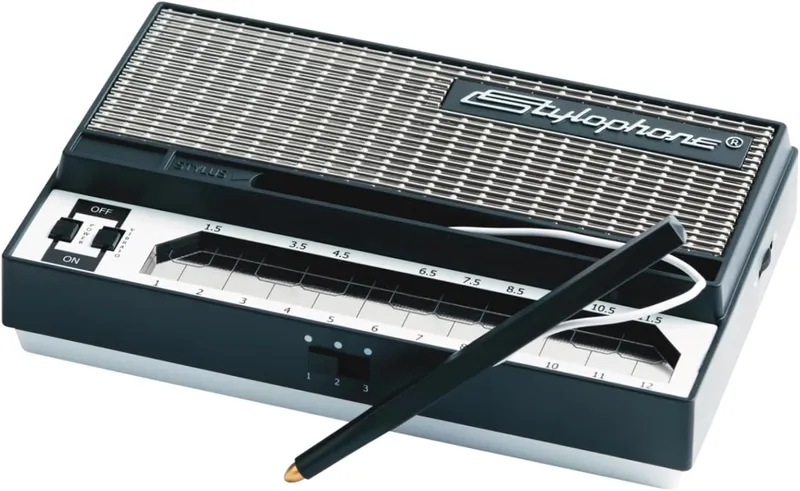
- Stylus interface: Touch the metal keyboard, hear that unmistakable buzzing voice.
- The original design: The same circuit charmed the sixties and every retro record since.
- Built-in speaker: Plays anywhere, instantly, with zero setup.
- Battery powered: No cables, no interface, no excuses.
- Vibrato switch: The wobble that made it famous, one flick away.
Pros:
- The most instantly fun thirty seconds in music
- Real diatonic range that records take seriously
- Simplicity that makes it the family-friendliest pick here
Cons:
- Diatonic scale, so chromatic music needs workarounds
- Speaker volume suits a desk, not a stage
- The buzz is the point, but it is not subtle
Revisit the Sound of the Stylophone
8. Teenage Engineering Pocket Operator PO-33 K.O.! Micro Sampler and Drum Machine
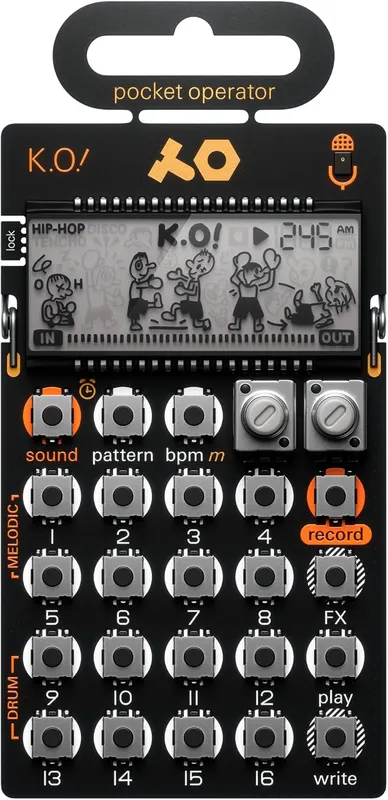
Best for: Beat makers and producers who want a legitimate studio tool the size of a cassette.
- Built-in microphone: Sample anything, from vinyl to the room you sit in.
- 16 sounds with patterns: Sequenced beats with real swing and effects.
- LCD animation: The display dances with your pattern as it plays.
- Months of batteries: Two AAAs run entire tours of downtime jamming.
- Sync jack: Chains with other pocket operators into a full setup.
Pros:
- The only pick here that records your own sounds
- Legit production tool used on real records
- Depth under the tiny body: effects, write mode, and pattern chaining
Cons:
- Buttons are micro, patience required for fast edits
- Screen is small for detailed sequencing
- No speaker, headphones or amp needed to hear it
Build Beats on the PO-33 K.O.!
9. Meinl Sonic Energy Mini Steel Tongue Drum, A Major
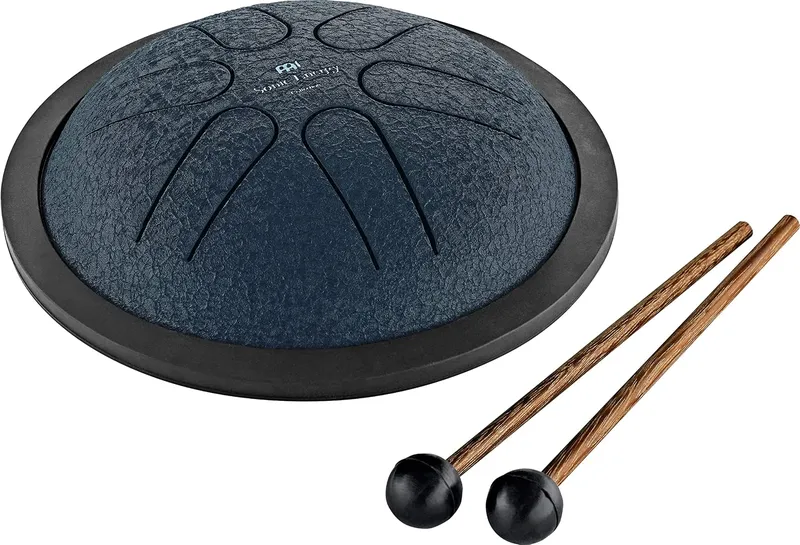
Best for: Players who want instant calm, meditation-grade sound, and zero wrong notes.
- Pre-tuned A major: Six tongues cut to a chord that cannot clash with itself.
- Steel resonance: Long, singing sustain from a hand-sized drum.
- Mallets included: Play out of the box with anything, mallets or fingers.
- Meditation standard: The sound yoga studios and sound baths run on.
- Compact tank: Steel construction that travels and survives.
Pros:
- Literally cannot sound wrong, which makes it the gift-friendliest instrument
- The deepest relaxation-per-note in the group
- Meinl build quality from the percussion specialists
Cons:
- One chord, one mood, so it is a vibe instrument by design
- Sustain means fast melodies blur
- Wants a soft surface or lap to sound its best
Unwind with the Meinl Mini Tongue Drum
Frequently Asked Questions
Q1: What are the best small musical instruments?
A: The harmonica, ukulele, kalimba, recorder, ocarina, melodica, stylophone, pocket sampler, and mini tongue drum cover the strongest small-instrument families: melody, strings, keys, electronics, and vibe. The nine picks above are proven versions of each. The best small musical instruments share factory tuning, real range, and bodies that travel without ceremony.
Q2: Which small instrument is easiest for a total beginner?
A: The kalimba is the gentlest start, since its tuned scale makes every pluck musical from minute one. The recorder follows with the lowest commitment and two octaves of real technique, and the tongue drum removes wrong notes entirely. Breath instruments like the harmonica and ocarina reward a week of patience with the biggest payoff.
Q3: Are small instruments real instruments or just toys?
A: Every pick on this list is a real instrument with proven recordings and working players behind it. The Special 20 headlines blues records, the PO-33 appears on released albums, and the recorder carries centuries of ensemble tradition. The toy versions exist too, and the buyer’s guide above explains exactly how to avoid them.
Q4: Can I take these instruments on a plane?
A: The harmonica, kalimba, recorder, ocarina, stylophone, and pocket operator fit in a jacket pocket and breeze through security. The ukulele travels in the overhead bin, the melodica in its case, and the tongue drum in checked luggage if the carry-on is full. None of them involve batteries rules except the stylophone and PO-33, and both run standard cells that travel fine.
Q5: How loud are these instruments, and can neighbors hear them?
A: The kalimba, tongue drum, and stylophone stay at conversation volume, the recorder and ocarina sit slightly above it, and the harmonica and melodica can project when pushed. The ukulele is the loudest acoustic here but softens with a lighter touch. For late-night sessions, the vibe instruments are effectively silent to the next room.
Final Verdict
Real tuning, real range, and pocket-friendly bodies make small instruments the highest-value route into music. The Hohner Special 20 is the professional pocket standard, the Yamaha YRS-24B is the lowest-commitment real instrument in music, and the PO-33 K.O.! turns a shirt pocket into a studio. If you want the best small musical instruments for big sound in less space, don’t overthink it—these are already:
✔ Tested for tuning accuracy, playability, and genuine portability.
✔ Reviewed against the novelty versions that give small instruments a bad name.
✔ Proven on records, in classrooms, and on trails where the pocket test is real.
Best Overall Pick – Hohner SPC20 Special 20 Harmonica, Key of C
Best Budget – Yamaha YRS-24B Plastic Soprano Recorder
Best Premium – Teenage Engineering Pocket Operator PO-33 K.O.! Micro Sampler and Drum Machine
Best for Travel Jams – Kala KA-C Satin Mahogany Concert Ukulele